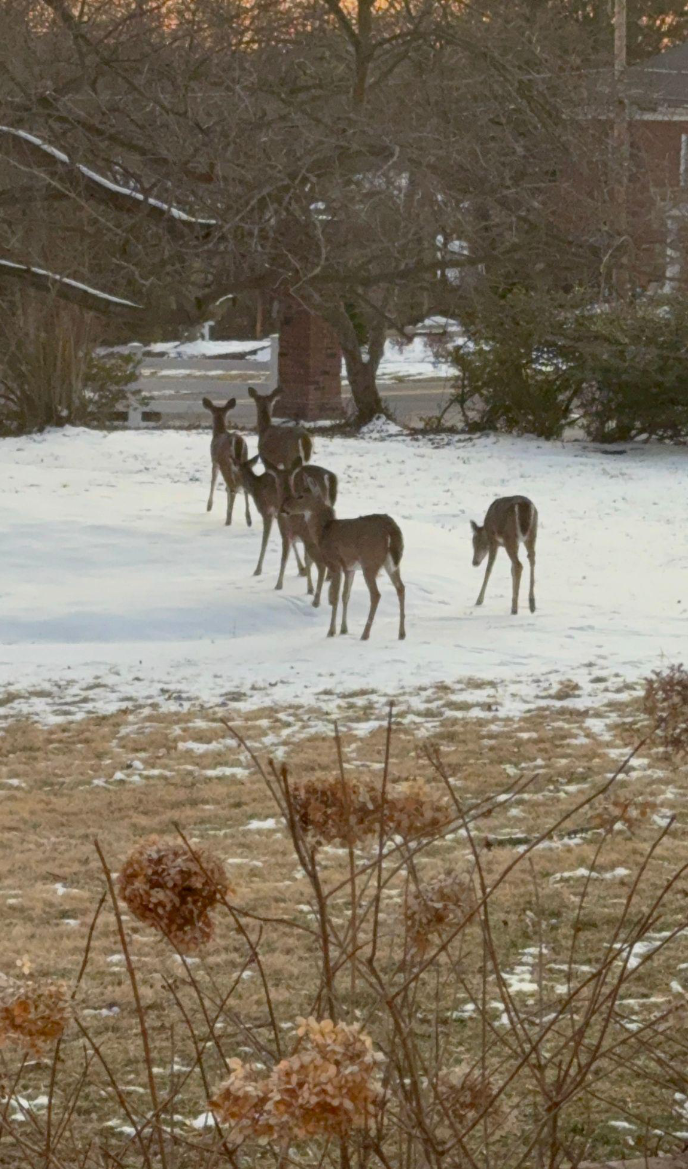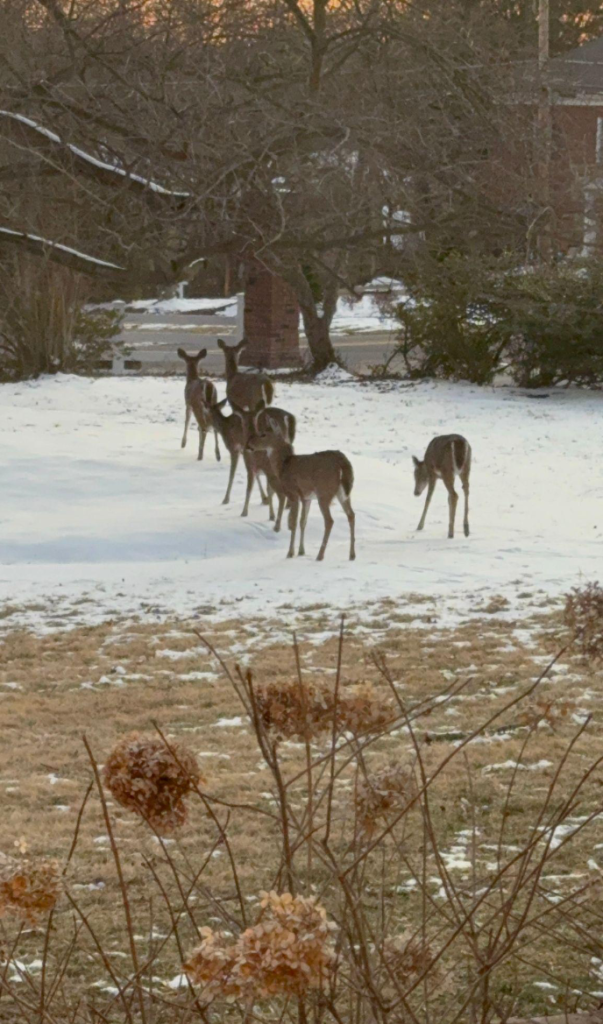
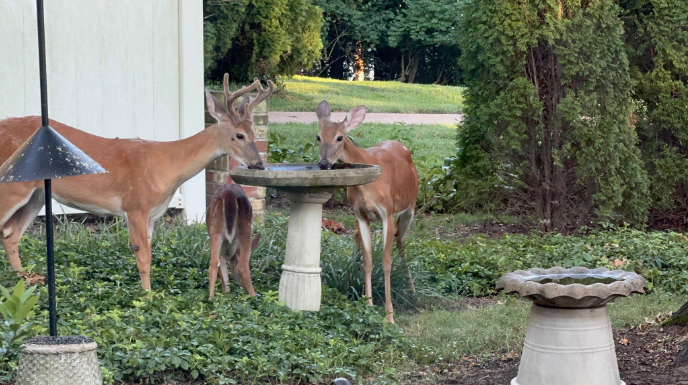
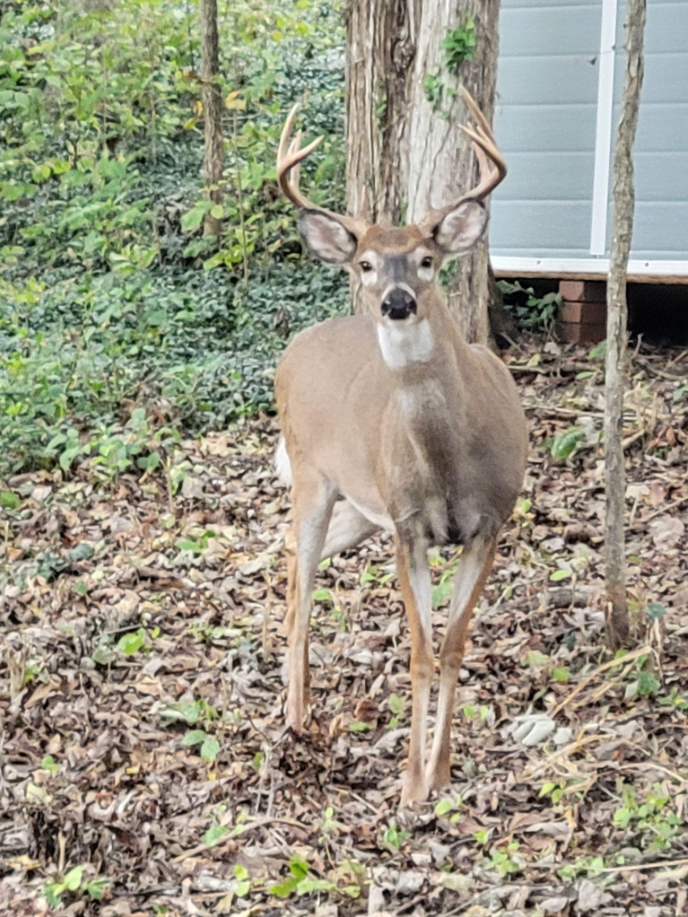
Every fall the leaves change, the Cardinals start planning for next year (again), and a whole lot of deer decide the middle of the road is a good place to be.
This isn’t just us complaining about the drive home on 44 or racing down the 55 speedway or pick your poison in your neck of the woods. According to State Farm’s latest annual analysis, there were more than 1.6 million animal collision insurance claims in the U.S. between July 2025 and June 2026, and the months you’re most likely to hit a large animal are, in order, November, October and December. (State Farm) In other words, we’ve just entered deer season, and your fleet is out there in it every day.
Our friends in the Southeast don’t get a pass either. Mississippi, the site of our very first “Birmingham” install, made State Farm’s top 10 riskiest states at 1 in 81. (We’re still not sure how that happened- the install in Missippi, not the deer.)
Why fall deer season hits fleets hard
The Highway Loss Data Institute looked at a decade of insurance claims (2013–2022). It found that animal-strike claims in November run more than twice the yearly average, and November claims are pricier too: they averaged $4,600, compared with $3,522 in February. (IIHS-HLDI) Researchers point to mating season, when the bucks are roaming. They do separate in the fall.
And the repair bill is only part of it. A truck in the body shop means a crew that isn’t on a job site, a customer who gets rescheduled, and a fleet manager unneeded time with the adjuster.
All of this happens right when Daylight Saving Time hits. Great.
What you can do about it (with a little help from RoMa)
We can’t keep the deer off the road. (We asked. They didn’t return our calls.) But you can put the odds a little more in your favor:
- Watch speed, especially after dark. RoMa Reports break out speeding by vehicle and driver, and you can schedule them to land in your inbox. Speed matters more than ever when something jumps out of the ditch.
- Know who’s on the riskiest roads. RoMa Heat Maps show where your team is actually spending its time. If half your crew is commuting through the back roads at 6 p.m., that’s a good group for a quick safety talk.
- Get the footage. If your vehicles have cameras integrated with RoMa, you can pull up historical video. That’s handy when “the deer came out of nowhere” needs a little backup for the insurance claim.
- Inspect before you roll. A quick vehicle inspection (DVIR) in the RoMa App catches headlights that are out and windshields with more cracks than a sidewalk, both of which matter a lot on dark country roads.
As always we appreciate your business, don’t hesitate to contact us. Please call us today at 314-304-7000 or e-mail us at [email protected]. In the Southeast, call 205-308-8087 or e-mail [email protected].
Sources
– State Farm, “Where Are Animal (Deer) Collisions Most Likely?” (Sept. 15, 2026): https://www.statefarm.com/simple-insights/auto-and-vehicles/how-likely-are-you-to-have-an-animal-collision
– IIHS-HLDI, “Dip in deer strikes poses a mystery for insurers ahead of peak season” (HLDI analysis of 2013–2022 claims): https://www.iihs.org/news/detail/dip-in-deer-strikes-poses-a-mystery-for-insurers-ahead-of-peak-season